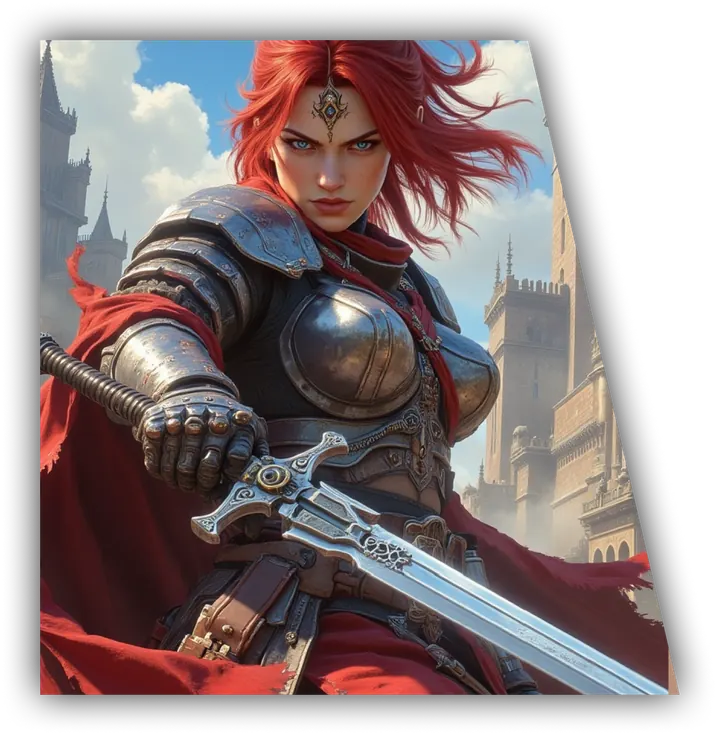
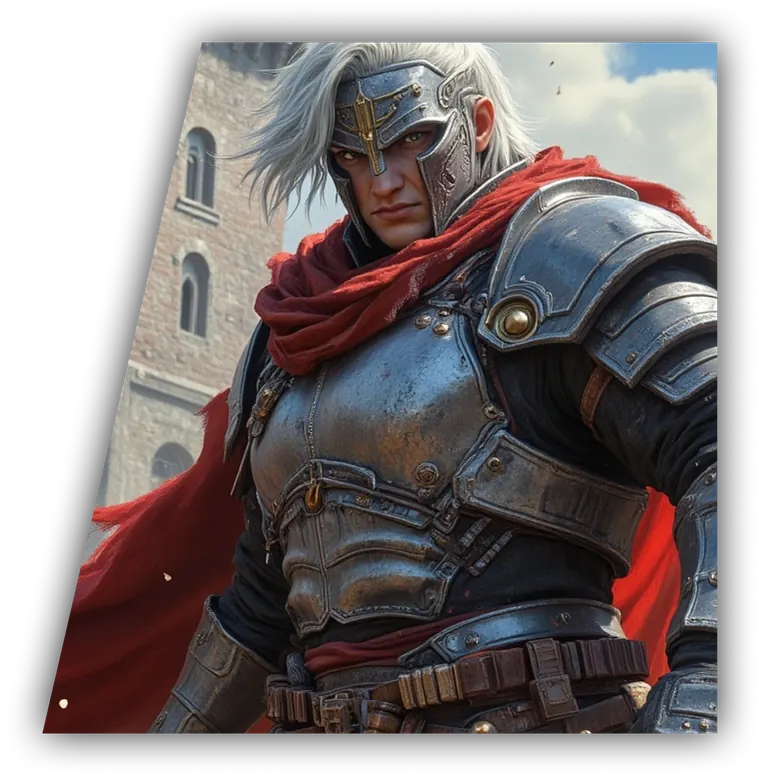
Juega a la villana
La rival condenada se convirtió en el mejor asiento de la casa. De dónde viene el género de la villana, por qué funciona y cómo jugarla cuando el guion puede doblarse.
La escena se repite en mil historias. Un salón de baile, una academia para hijos de la nobleza, un príncipe que renuncia a su prometida en público —sus crímenes leídos en voz alta, la dulce heroína de origen humilde temblando a su lado. En los juegos de citas que inventaron la escena, esta es la victoria: la rival eliminada de la ruta por fin. Pero a finales de los 2000, en sitios japoneses de novelas web, los lectores empezaron a confesar el sentimiento equivocado. Al ver a la orgullosa chica sola en medio de los restos de su compromiso, pensaron: ella es la interesante. Ese sentimiento equivocado creó un género —y una frase de búsqueda, juego de villana, que pide algo concreto. No una historia sobre ella. Una en la que tú la interpretas.
Un juego de villana es un juego de historias en el que interpretas a la rival condenada de un romance —normalmente una mujer que renace en una trama que ya conoce y usa ese conocimiento para escapar de su caída programada. La premisa viene de los otome games y las novelas web japonesas, y puedes jugarla hoy en novelas visuales y en juegos de historias con IA, donde la trama no está fijada y tus elecciones la doblan de verdad.
De dónde viene la villana
Los otome games —un género japonés de juegos de romance para mujeres que prospera desde mediados de los noventa— le dieron un trabajo mucho antes de que nadie le diera un alma. Interpretabas a una heroína en una academia real o en una corte brillante, eligiendo entre intereses románticos, cada uno con su propia ruta y finales. El romance necesita obstáculos, así que el género creó uno y le puso un título: la rival. De alta cuna donde la heroína es humilde, serena donde la heroína tropieza, prometida desde la infancia con el mismo príncipe que debes conquistar. Ella trama, ella desdeña, ella es deshonrada según lo previsto. Sus finales eran el exilio, un convento, a veces un verdugo. No era tanto un personaje como un muro con tirabuzones.
La contraofensiva llegó de los aficionados. A finales de los 2000 y durante los 2010, escritoras en sitios japoneses de ficción seriada empezaron con una premisa que ahora tiene diez mil variaciones: una mujer moderna muere —por exceso de trabajo, enfermedad, el famoso camión— y despierta en el cuerpo de esa rival, dentro de un juego que solía jugar, años antes de que empiece su trama, con la guía todavía en la cabeza. Sabe que su destino está escrito. Conoce sus puntos de control. Preferiría no. El género se codificó a una velocidad asombrosa: las banderas de perdición que hay que esquivar, la cuenta regresiva hasta la inscripción de la heroína, el baile de condena que espera al final del año escolar como el clima programado. Las novelas web se convirtieron en light novels, las light novels en manga, y una ola de anime llevó la premisa por todo el mundo. Las novelas web y webtoons coreanos construyeron un imperio paralelo en el que la durmiente despierta dentro de una novela que ya había leído; las aplicaciones de traducción hicieron el resto. Para los 2020, las historias de reencarnación de villana tenían estantes propios en todas las apps de lectura del planeta, archivadas por las fans bajo una etiqueta de dos palabras: otome isekai, un juego de doncella, otro mundo.
El cambio de simpatía
¿Por qué los lectores desertaron hacia la antagonista? Empecemos por la injusticia silenciosa del género: la heroína es amada por decreto del autor. La mirada del príncipe, los encuentros afortunados, el perdón de cada falta —todo le llega como el clima. La villana es la única persona en la historia que tiene que intentarlo. Todo lo que quiere debe planificarlo, y la trama la castiga por planificar. El esfuerzo resulta más interesante que la gracia, y los lectores lo notan a cualquier distancia.
Luego está el truco estructural, el que hace que el género se sienta como una máquina construida a propósito: invierte la ironía dramática. La tragedia normalmente deja que el público sepa más que el personaje. Aquí el personaje sabe exactamente lo que tú sabes, porque ha leído el libro en el que está sellada. Ese único cambio convierte cada escena de espectáculo en estrategia. Una fiesta de té ya no es una fiesta de té; es el momento en que una bandera se activa o muere en silencio. La gran invención del género es esa unidad —la bandera de perdición—, el destino desglosado en piezas pequeñas, comprobables y esquivables. Cambió la postura del lector de ver una historia a auditarla.
Debajo de todo corre una confesión. La historia de la villana es una historia sobre una lectora: alguien sellada dentro de un texto, armada solo con haberlo leído. Es metaficción que una adolescente y una oficinista cansada pueden amar por la misma razón. ¿Quién no ha querido entrar en una historia que conoce de memoria y arreglarla?
Qué hace que un juego de villana funcione
Si la premisa es una lectora con agencia, siempre estuvo dirigida a los juegos. Convertirla en uno, sin embargo, tiene tres requisitos.
Primero, un guion que se sienta. La historia debe tener una forma que reconozcas —el compromiso, la academia, la llegada de la heroína en primavera, el baile al final del año— porque tu conocimiento del género y la previsión del personaje son el mismo saber. Sabes cómo van estas historias. Ella también. Esa es toda el arma.
Segundo, verdadera agencia en los momentos programados. La prueba de cualquier juego de villana es la escena de condena. Cuando el príncipe toma aliento para denunciarte ante la corte reunida, ¿puedes decir lo que nadie escribió? Un juego de ramas fijas ofrece tres respuestas preparadas, es decir, te deja elegir el sabor de tu perdición; la escena sigue llegando sobre rieles. La premisa merece la respuesta no escrita —la disculpa que nadie vio venir, la prueba sacada de una manga, el no en voz baja.
Tercero, un mundo que empuja hacia atrás. Si el destino se pliega la primera vez que esquivas una bandera, la previsión no vale nada. La trama debe tener inercia —la heroína sigue tropezando en sus brazos a tiempo, el rumor sigue llegando al oído de la reina— para que cada desastre evitado se sienta robado y no concedido.
Fíjate, por último, de qué está hecha la fantasía: organigramas, abanicos, cartas, una reverencia perfectamente cronometrada. El juego de villana es un thriller de etiqueta. Su combate es la conversación. Por eso la premisa encaja, mejor que casi cualquier otra cosa en la ficción, en un juego que se juega diciendo cosas.
Una historia que se dobla cuando empujas
Para eso sirve un juego de historias con IA. La premisa de la villana —entrar en una historia cuya forma conoces y doblarla— no es una metáfora de este tipo de juego; es su descripción. En Runebook, el Narrador dirige el mundo: el príncipe y su orgullo, la heroína y su suerte, la corte y su atención hambrienta. Actúas escribiendo lo que quieres decir o hacer —elige una acción sugerida cuando te tiente, o di lo que nadie sugirió. Cuando llega la denuncia, te encuentra a ti, no a un menú. Es, por fin, un juego donde interpretas a la villana y el guion cede de verdad.
El juego largo es posible aquí, porque la historia recuerda lo que importa. El sirviente que defendiste al principio sigue siendo leal en el baile. El rumor que plantaste en primavera regresa con intereses en invierno. La previsión solo significa algo cuando las consecuencias mantienen su forma, y una villana no es nada sin su juego largo.
Puedes empezar desde tu propia idea. Ponle nombre a tu príncipe. Decide de qué te acusaron. Decide si la heroína es tu rival o, en secreto, la primera amiga de verdad que has tenido. Si tu imaginación corre en tonos de pantalla —tirabuzones, rosas en los márgenes, un abanico que se abre como puntuación—, empieza con un juego de historia AI estilo manga y viste la corte desde ahí. Juega sola, una lectora y un nombre condenado contra la trama; o invita a una amiga a la misma historia y dale el papel de la heroína, y descubre de quién resulta ser la historia. Las escenas llegan con imágenes, y la narración se lee en voz alta, lo que hace cosas terribles y maravillosas con una escena de condena.
Hemos escrito en otro lugar sobre qué significa elegir tu propia historia cuando las opciones no son un menú; la villana es esa idea con su mejor vestido. También es una puerta a una casa más grande —despertar en otro mundo es un género propio, y la villana es su habitación más afilada.
Empieza en el baile
Abre los ojos donde el género siempre comienza. Candelabros. Tu nombre en la boca del príncipe. La sala organizándose para verte caer, y la mano de la heroína ya subiendo hacia sus labios. Has leído esta escena cien veces; ella también —ese era siempre su punto, y ahora es el tuyo. La siguiente línea es tuya, y nadie la ha escrito todavía.
Crea una cuenta y empieza tu primera historia: está incluida. La trama cree saber cómo va esto. Empieza tu historia y disiente.