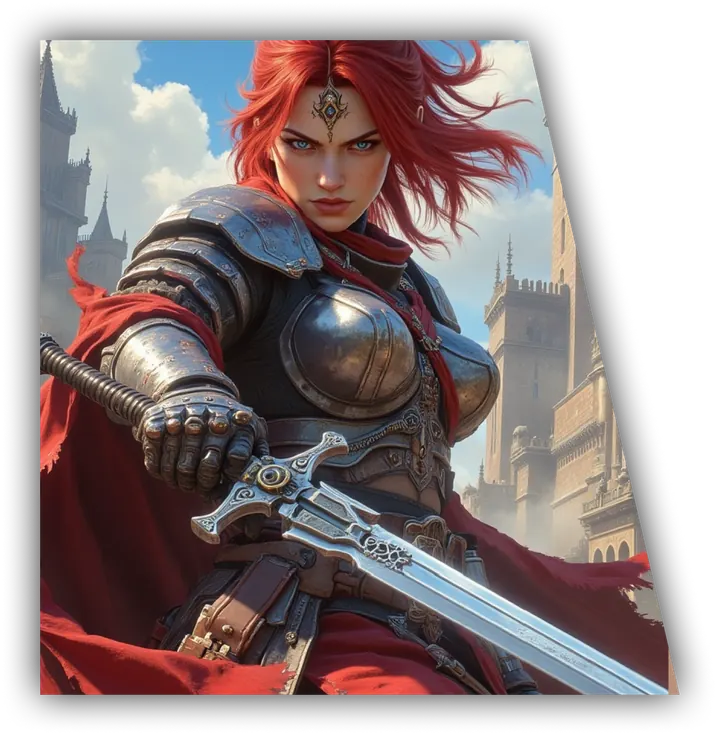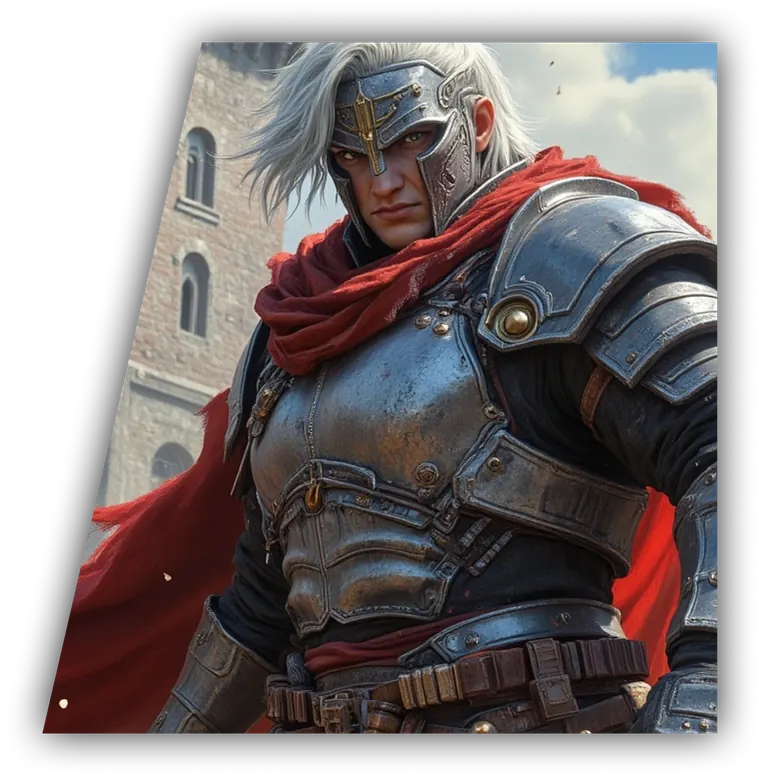
The Forbidden Match
Your families have rules about people like them. The whole town watches the two of you anyway. One more meeting at the harbor, and somebody is going to talk.
Tell Runebook the love story you want, whether it is the suitor your family forbids or the one who came back after ten years, and start living it. The promises you make, the slights you suffer, the almost-kiss on the bridge; the story remembers, and everything that follows is shaped by what you did.
These are the kinds of love stories Runebook tells today. Start from one of them, or describe your own.
Your families have rules about people like them. The whole town watches the two of you anyway. One more meeting at the harbor, and somebody is going to talk.
Two proposals in one season. One suitor loves you. The other loves what you're worth. The trouble is telling which is which before the engagement is announced.
Ten years, and one apology that never got sent. Now they're standing in your doorway, asking if you still walk by the river on Sundays. You told everyone you'd forgotten them. You haven't.
The letters arrive every Thursday: unsigned, tender, impossibly specific. Tonight you finally learn who has been writing them. It's the last person you would have guessed.
The marriage saves the estate and seals the alliance. The date is set. And the person you actually love is standing in the receiving line, holding a glass, saying nothing.
You wrote down everything you feel and never meant to send it. Someone found it. Now they want something for their silence.
They betrayed you once and swore it was to protect you. Tonight you're the only two people who can fix what's broken, if you can stand to work side by side.
The storm closes the mountain pass. One inn, one fire, and the person you've spent all winter avoiding. By morning, something between you has changed.
Say it here, in front of everyone, and there is no taking it back. The music stops. The room turns. They're waiting.
Start from one of these, or describe the love story you want: a Regency ballroom, a 1920s jazz club, a kingdom at war, the small town you grew up in. Any setting, any century.
Romance is the genre where memory matters most. A kiss means nothing without all the glances and restraint that led to it.
Runebook's Storyteller remembers your story. The promise made under the lantern. The slight at the banquet you pretended not to notice. The almost-kiss on the bridge, interrupted by footsteps. It doesn't evaporate when the scene ends. If it has a past, it can have a future.
And the people you fall for are not a chatbot wearing a costume. They want things: your hand, your inheritance, your forgiveness, your secret. They remember what you did, and they act on it. Break a promise, and it resurfaces later at the worst possible moment. Keep one when nobody was watching, and it turns out somebody was.
The world moves even when you hesitate. Wait too long to speak, and the rival speaks first. Drama is what changes because you said it or didn't.
"A second-chance romance in a 1920s jazz club." "A forbidden courtship in a kingdom at war." Type it, or say it out loud. The Storyteller builds the world, the cast, and the complication around you.
Tap one of the Storyteller's suggestions, or type or speak anything at all. Confess at the festival. Keep the secret one more night. Open the letter you were never meant to find.
The story remembers what you actually did. The promise resurfaces. The rival adjusts. The secret comes out at the moment it hurts most, and the story keeps building toward an ending your choices chose.
Most interactive love stories were finished before you arrived. The scenes were authored, the branches drawn, and your part is picking from a short list someone wrote last year. Ask the question the writers never imagined, and the story shrugs.
Runebook is not limited to pre-written branch trees. The Storyteller carries each scene forward from what you actually do. Interrupt the wedding with the truth. Defend the suitor everyone else condemns. Walk out of the ball mid-dance and see who follows. The story doesn't break when you surprise it. It bends, and remembers the bend.
A love story needs shape: the meeting, the obstacle, the betrayal, the choice. Runebook stories have rising stakes and secrets that come out at the moment they cost the most. They don't drift forever; they build to a finale your choices chose.
And you can hear your story told. Voice narration reads each scene aloud as you live it, with character voices, while scene images appear in the prose. Play solo, and the whole thing reads like a typeset novel, except you're the one deciding what the next page says.
In a lot of story games, "choices matter" means a different outfit in the next scene. Here, a choice is a stone dropped in the river, and the current bends around it. One scene later, those are choices. Ten scenes later, they are history.
The dance you refused decides who trusts you at the trial. The secret you kept becomes the leverage someone uses against you. The kindness you showed a stranger comes back wearing a familiar face. Something you did is still waiting for you.
If you love choice-driven story apps, you already know the feeling Runebook is built on: tropes worth swooning over, drama worth gasping at, and YOU in the story.
Two things are different here. First, those apps play back branches their writers authored; your freedom ends where the menu does. Runebook responds to anything you do, because the Storyteller moves the scene forward from what you chose instead of confining you to the menu. Second, there's no gem price on the bolder move. The honest answer and the better kiss cost no more than the safe ones. Inside a story, every path is yours to take.