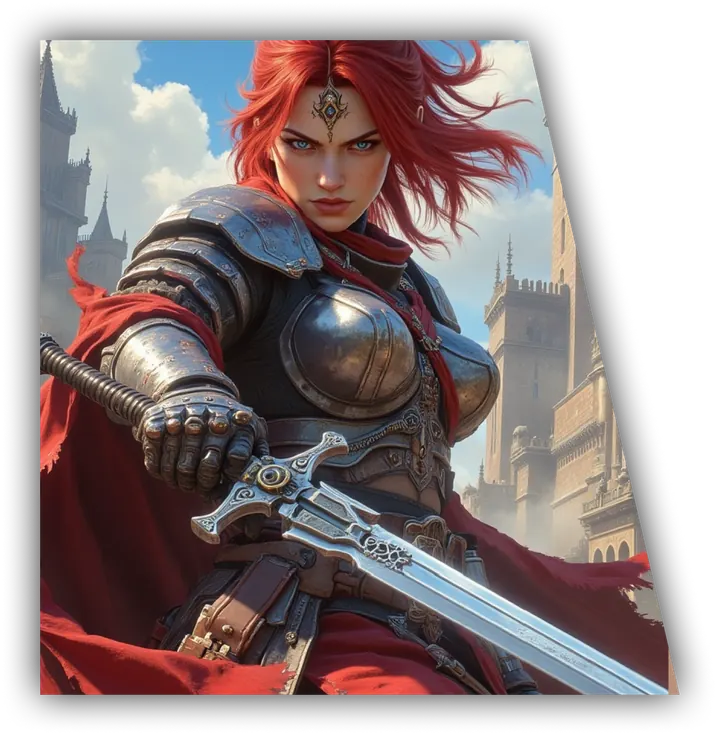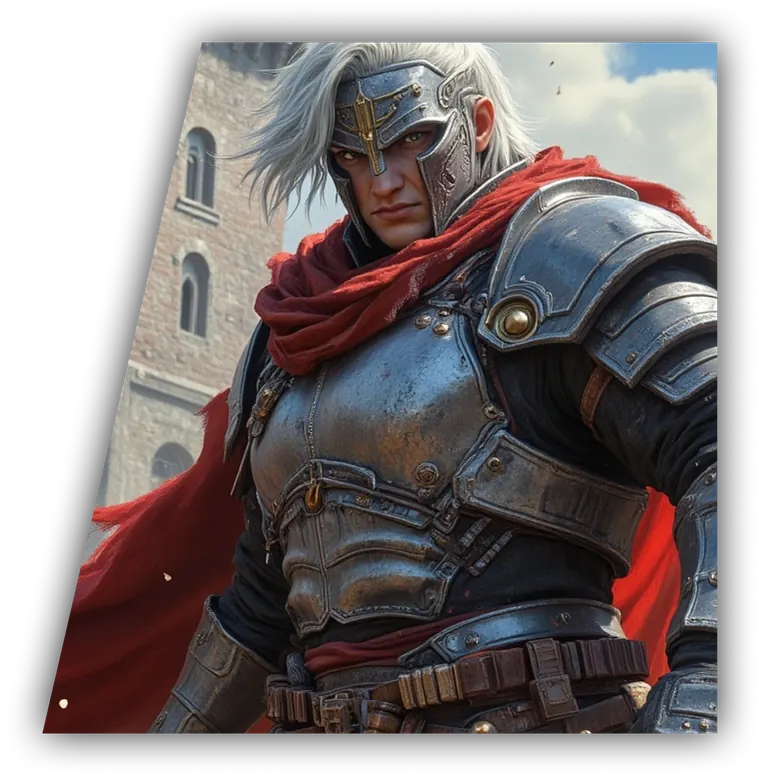
The Ninety-Second Vault
The museum vault opens for ninety seconds at midnight. Your inside man just stopped answering.
The branching paperbacks you grew up with had three endings, and somebody else wrote all of them. Runebook is different: an AI Storyteller carries the story forward around what you actually choose, and you can type anything, not just pick A, B, or C.
The story is not just written. It is played.
Every one of these is a story you can start today. Pick one, or describe the story you want in any setting, and the world is built around it.
The museum vault opens for ninety seconds at midnight. Your inside man just stopped answering.
Six explorers went into the ice and sent back one journal. The map in it doesn't match the mountains.
The crown has no heir, the court has three, and you hold the only signed will. Both armies know it.
The festival ends in fire at midnight. You alone wake up on the morning it starts — again.
The creature terrorizing the valley once pulled you from a river. The mob at your door wants you to lead them to it.
Your family's name is one scandal from ruin. Tonight's seating chart puts you next to the man spreading it.
They found the stolen artifact in your rooms. You have until the trial to find out who put it there.
The one man who can clear your name is locked in the tower prison. As of tonight, so are you, on purpose.
Heist, throne, time loop, trial: these aren't separate apps. They're one Storyteller that can run any of them, or whatever premise you bring next.
Every scene ends with the same question: what do you do? Tap one of the Storyteller's suggestions, tense and pointed at trouble, or ignore them all and type your own move. Say it out loud if your hands are full. The story bends around whatever you actually do.
And here's the part the old paperbacks could never print: your choices don't evaporate when the scene ends. Spare the informant, insult the duchess, pocket the letter you were told to burn, and the world keeps the receipt.
One scene later, those are choices. Ten scenes later, they are history.
That history is what the ending is made of. Your story rises toward a real finale: not one of three printed on the last page, but the one your choices shaped, scene by scene, the whole way down. Drama is what changes because you said it.
A heist in a city of canals. A time loop at your own wedding. A throne nobody should sit on. Describe it, and the Storyteller builds the world, the people, and the trouble.
Tap a choice when it nails what you wanted, or type anything at all: accuse the wrong person, kiss the right one, climb out the window mid-interrogation. At pivotal moments, fate gets a say.
Nothing you do is disposable. The story carries it all forward: the people you've met, the promises you've made, the doors you left open, and it builds toward an ending your choices shaped.
Runebook plays in your browser on phone, tablet, or desktop. No download. Open it and your story looks like a story: typeset prose, scene images the words flow around, and a world that keeps taking shape.
Then it does something a book never could: it speaks. Turn on narration and hear your story told word by word, with voices for the people in the room. Your story, read aloud as you live it.
You can keep it to yourself, or bring friends into the same story and decide together. Either way, the pages are yours.
Plenty of apps let you pick an option. The question is whether anyone remembers you picked it.
Runebook remembers your story. The people you've met remember what you did. The guard you bribed greets you differently than the guard you humiliated. Places change because you changed them. Promises come due. Something you did is still waiting for you.
And the world doesn't idle politely while you decide. Hesitate at the wrong moment and the trial proceeds without your evidence, the ship leaves the harbor, the rival heir gets to the general first. If it has a past, it can have a future, and your past is the plot.
"Choose your own" used to mean choosing between someone else's branches. Here it means choosing the story itself.
Want a cozy mystery on a snowed-in train? A succession crisis where you're the unwanted heir? A haunting where the house remembers your family's name? Describe the story you want in any setting, any era, and start living it. There's no list you have to pick from and no branch you can fall off, because the path forward is shaped around what you do next.
Try something nobody planned for. The story still responds. That's the whole point.
You remember the drill. Keep a finger wedged in page 47 as insurance. Flip ahead to see which choice gets you eaten. Reach an ending in eleven minutes and start over.
We loved those books, and we kept their best promise: you are the main character, and the story turns on what you decide. We just removed everything that was a limitation of paper. The endings aren't pre-printed. They're earned. The choices aren't a menu of two. They're anything you can type or say. And no author had to guess, years in advance, what you'd want to do on page 47. The Storyteller carries that page forward from the choice you made.
This is an interactive AI story with the Storyteller holding the pen, and you holding everything else.